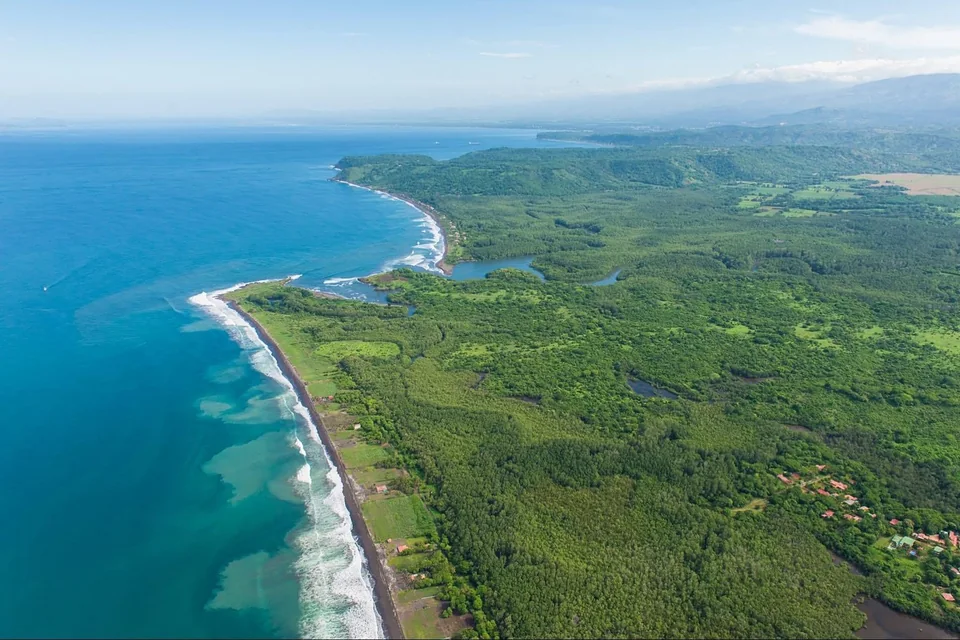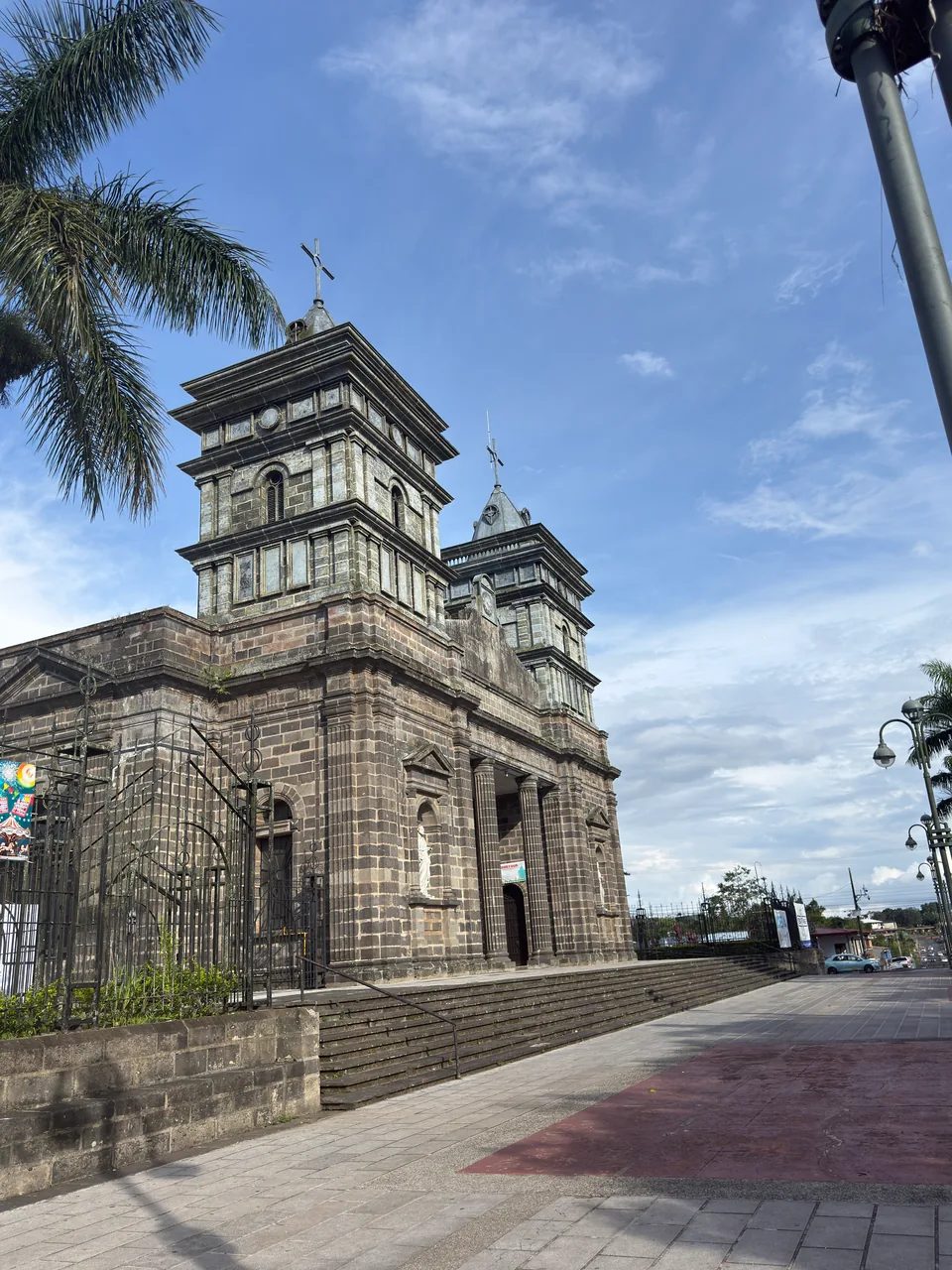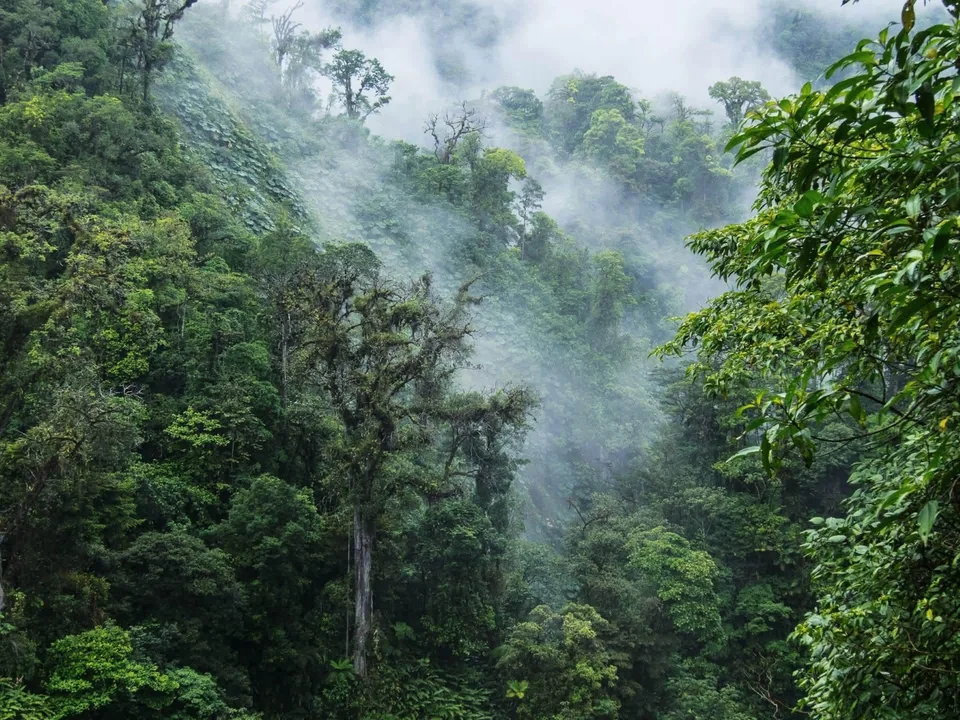
Costa Rica’s green season can suit a trip with flexible outdoor plans and somewhere comfortable to return when rain arrives. Begin with the region, not a countrywide weather promise. Keep one main outing, one alternative under cover and time between them. The rain belongs in the plan from the start.
When is green season in Costa Rica?
The Tourism Board uses May through November as a broad green-season planning window. Its climate guide places the Pacific rainy season in May–October, with November a transition month; April is also transitional. Pacific rain often arrives later in the day, but that pattern does not guarantee a dry morning.
The Caribbean has no sharply defined dry season. The official climate guide identifies relatively drier coastal periods in February–March and September–October. Inland elevation and exposure add further variation. Choose your base first, then check its local forecast and the conditions relevant to your activity.
Give each day two good versions
Make the outdoor activity the anchor rather than one of five appointments. Confirm its start point, expected finish and weather policy with the operator. Keep a second version of the day that you would actually enjoy: a long lunch, a café, a suitable indoor cultural stop or time on a covered terrace.
- The outdoor version: one trail, beach outing or arranged activity with enough time for travel and a meal.
- The rainy version: a nearby option you can reach comfortably, without depending on another weather-sensitive journey.
- The evening: a meal close to your base, with transport arranged if walking would not suit the conditions.
A backup works best when it needs little organizing. Save the address and contact details before heading out. You should be able to change the plan without turning a wet afternoon into a second booking project.
Book the terrace as carefully as the view
Look at the space where you would spend a rainy afternoon. Is the outdoor sitting area genuinely covered? Can everyone sit comfortably there? Does rain reach it from the sides? Ask for a photograph of the actual terrace and check whether it belongs to your accommodation or a shared area.
For a working stay, examine the indoor alternative too: desk space, daylight, ventilation and enough separation for calls. A spectacular view remains a pleasure, but the usable room around it is what you will live with when the weather changes.
Pack for an outing and the return
- A light rain layer and footwear suited to the specific activity.
- A protective pouch for your phone, documents and anything that must stay dry.
- A dry change of clothes or a separate bag for wet items.
- Water, sun protection and insect repellent for time outside.
Check the day’s conditions with the guide or activity provider. For a trail, ask about the route rather than assuming the regional forecast describes the ground underfoot. The Tourism Board’s activity guidance recommends suitable footwear, rain protection and known routes.
For a longer stay, test the rainy-day routine
Use part of the visit for ordinary tasks in the area you are considering. Work your usual hours, travel to groceries and spend an evening at the accommodation. Record how rain affects the journeys and spaces you would use repeatedly.
A short visit cannot settle every seasonal question. Leave with the observations you made and the questions still open. The scouting-trip guide gives you a structure for that record. Meanwhile, a downpour, a comfortable terrace and lunch without a deadline can make a perfectly good Costa Rica afternoon.
Sources & further reading
This is researched editorial guidance. Check local conditions and official updates when planning.
Costa Rica Tourism Board: climateCosta Rica Tourism Board: best times to visitCosta Rica Tourism Board: hiking and activity tipsMAKE THE NEXT STEP YOURS
Picture more than a visit.
Put your priorities, observations and open questions into a practical scouting plan.
Build your visit planThinking about a property? Talk with Justin & Evelyn